Performance Management TrainingBetter conversations. Clearer expectations. Stronger performance.
Most managers know they should address performance problems early.
So why do so many difficult conversations get put off?
Perhaps they're worried about damaging a relationship, provoking a defensive reaction or making the situation worse. Perhaps they don't know how to start the conversation, or they've tried before and nothing has changed.
Meanwhile, the problem continues. Colleagues become frustrated, managers lose confidence and opportunities to improve performance are missed.
At Resound Training & Development, we help managers develop the skills and confidence to have the conversations that make a difference.
Through actor-led training, forum theatre and realistic workplace scenarios, we explore what happens when performance conversations go wrong and, more importantly, what managers can do differently.
Performance management is about more than processes
Policies, procedures and appraisal systems all have their place. But they don't have the difficult conversations. Managers do.
Effective performance management involves setting clear expectations, giving timely feedback, recognising good performance and addressing concerns before they become bigger problems.
It also requires managers to balance two things that can sometimes feel uncomfortable together: showing understanding and holding people accountable.
Our workshops focus on the human side of performance management, helping managers explore how their words, behaviour and assumptions influence the outcome of a conversation.
“Our aim was to equip managers with the confidence and skills to handle conversations around change, performance and personal matters effectively... Participants found the sessions highly engaging, practical and relevant.”— Louisa Gaynon, Oldham FE College

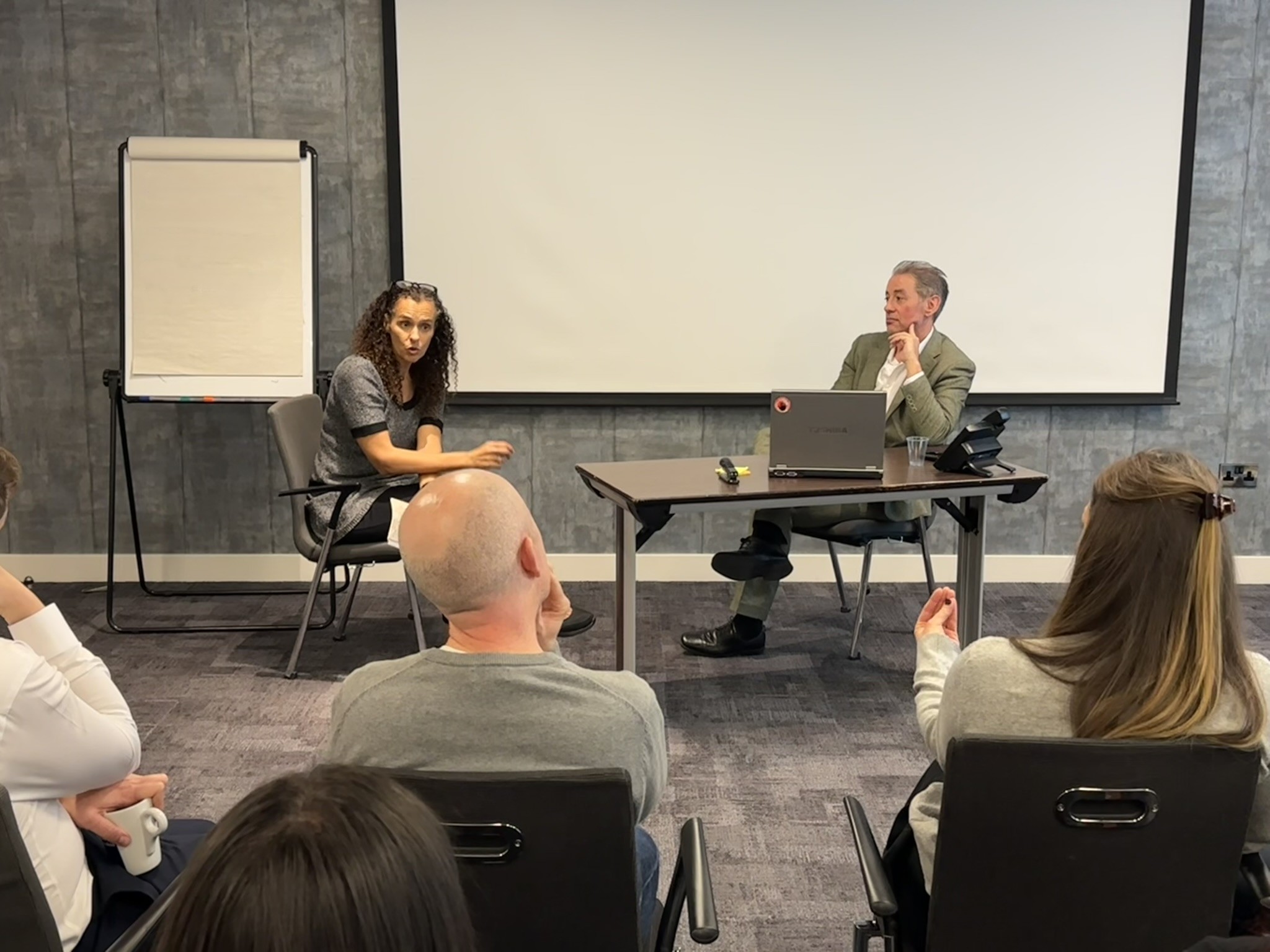
Rehearsing high-stakes performance conversations in a psychologically safe environment.
The Resound ECA Framework: Empathy, Care, Action
At the heart of our approach to difficult performance conversations is ECA, a practical framework that helps managers combine understanding with accountability.
E: Empathy
Understand before you judge.
Managers don't always know what's happening behind an employee's behaviour or performance.
There may be personal circumstances, unclear expectations, workplace barriers, competing priorities or a misunderstanding about what is required.
Empathy means listening, asking questions and making a genuine effort to understand the employee's perspective.
It doesn't mean excusing poor performance or avoiding the issue. It means being prepared to explore what is happening rather than jumping straight to conclusions.
C: Care
Care for the person, care for standards.
Care means demonstrating genuine regard for the individual, their wellbeing and their development, whilst upholding the standards required by the organisation.
When managers show care, holding someone accountable ceases to feel punitive or adversarial. It is experienced as an investment in their success.
It means caring enough to be honest about where performance is falling short, explaining the impact, and offering active support to help them improve.
A: Action
Agree clear, accountable steps forward.
Understanding and care must lead to purposeful action. Without clear commitments and follow-through, difficult conversations become circular or unresolved.
Action means defining what good performance looks like, agreeing specific next steps, setting realistic timescales and establishing regular review points.
Both manager and employee leave the conversation with shared ownership of the outcome and clear expectations.
How our performance management workshops work
We don't teach performance management through lecture slides or uncomfortable role-play where delegates are put on the spot. Instead, we use professional corporate actors and expert facilitation to create realistic, dynamic learning environments.
Watch realistic workplace conversations unfold
Observing how subtle choices in language, tone and timing can either escalate tension or open up constructive dialogue.
Pause, rewind and redirect the action
Intervening at pivotal moments in the conversation, suggesting alternative questions or approaches, and immediately seeing the actors play out the results.
Question the characters in-depth
Interviewing the employee or manager in-character to uncover underlying motivations, hidden concerns, personal pressures and unspoken assumptions.
Rehearse with professional corporate actors
One-to-one or small-group practice in a confidential, psychologically safe space where managers test their conversational skills.
Receive nuanced, actionable feedback
Our professional actors provide constructive in-character and out-of-character feedback on how the manager's approach felt and what could make it even more impactful.
Connect learning to organizational policy
Translating insights into everyday leadership habits, aligned with your internal review procedures, capability processes and company values.
Psychological Safety First
Delegates never have to act unless they choose to. The focus remains on observation, group analysis, directing the professional actors and experimenting with different conversational styles without fear of embarrassment.
Key performance conversations we explore
Every organisation has unique dynamics, but common conversational bottlenecks arise across all industries. We recreate the real situations your managers encounter:
Addressing Early Underperformance
Tackling subtle dips in output, missed deadlines or declining quality before poor habits become entrenched or require formal disciplinary action.
Managing Defensive & Emotional Responses
Staying grounded and composed when an employee responds with anger, tears, denial, blame shifting or counter-accusations.
Overcoming Silence & Disengagement
Drawing out employees who shut down, offer passive-aggressive compliance or give one-word answers, uncovering root causes without cross-examining.
Balancing Personal Support with Standards
Showing genuine compassion for personal, health or mental wellbeing challenges while maintaining clear, fair and realistic performance expectations.
Giving Feedback to Senior or Expert Colleagues
Navigating delicate power dynamics when managing technical specialists, former peers or more experienced team members.
Co-Creating Clear Action & Review Milestones
Moving beyond vague promises to agreed, measurable expectations, clear review intervals, documented support and mutual accountability.
Why choose Resound for performance management training?
Over 20 Years of Experience
Founded by Gill Brabner in 2004, Resound has two decades of experience designing high-impact drama-based training for leading UK organisations.
Professional Corporate Actors
Our actors understand corporate realities. They know how to deliver nuanced, realistic pushback and constructive feedback that helps managers grow.
Zero Role-Play Embarrassment
We create a safe, engaging environment. Participants never feel pressured or judged, allowing open discussion of common management anxieties.
The ECA Framework
Developed by Chartered CIPD Fellow Gill Brabner, combining empathy with clear accountability to ensure lasting behavioural change.
Frequently Asked Questions
Common questions about our performance management workshops and delivery formats.
Related Resound Services
Corporate Role-Play Actors
One-on-one difficult conversation rehearsals with realistic actors and targeted feedback.
Forum Theatre Workshops
Engage whole management cohorts in exploring workplace dynamics without anyone on the spot.
Business Simulations
Immersive, scenario-based simulations addressing complex business decisions and trade-offs.
Get in Touch with Resound
Equip your managers with performance skills
Discuss your organisation's performance management challenges with Gill Brabner.